
Food is an important part of our daily routine, but sometimes it can become harmful to our health. Many people eat food at home or outside without paying attention to hygiene and safety. This can increase the risk of illness. Learning how to identify food poisoning symptoms early can help protect you and your family. In the beginning, the symptoms may seem small and harmless, but they can become serious very quickly. That is why early awareness is very important.
In cities like New York, many people search online for things like “food poisoning symptoms after eating street food” or “how to check if food is spoiled.” These are real and common concerns. Food poisoning usually happens due to contaminated food, unsafe water, or poor cooking practices. When harmful bacteria enter the body, the reaction starts quickly. The digestive system, especially the stomach, is usually the first area to show signs.
At the early stage, a person may feel discomfort. There may be mild stomach pain, uneasiness, or a strange feeling after eating. Some people ignore these signs, thinking they are normal. However, these can be early warning signals. If ignored, the condition may become worse over time.
Understanding your body signals is very important. Paying attention to early symptoms can help prevent serious health issues. Many people delay action, which can lead to complications. Taking early care not only protects your health but also saves time and money. It is always better to act early instead of facing serious problems later.
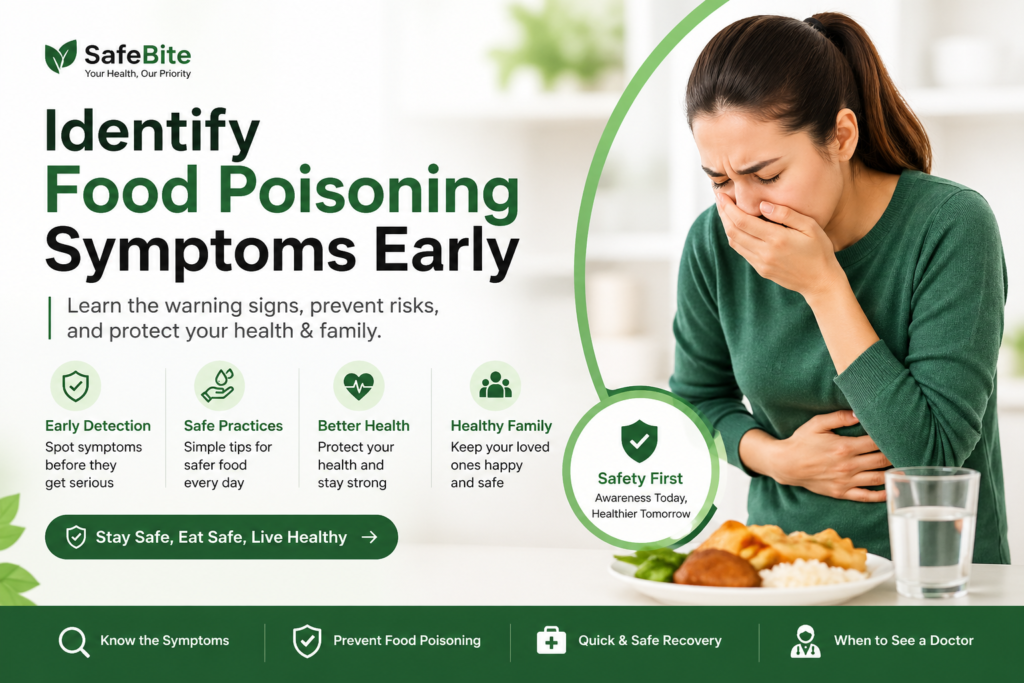
Early Signs You Should Never Ignore
When food poisoning starts, the body gives clear signals, but they are often mild in the beginning. These symptoms may develop slowly and become stronger over time. Recognizing these early signs can help you stay safe and take quick action.
One of the most common early symptoms is nausea. A person may feel like vomiting after eating contaminated food. This feeling can appear suddenly or build gradually. Another important sign is stomach cramps. The stomach may feel tight, uncomfortable, or painful. This happens because the body is trying to remove harmful toxins.
Diarrhea, also known as loose motion, is another major symptom. Many people search “why do I get diarrhea after eating outside food,” which is often linked to food poisoning. This is the body’s natural way of flushing out harmful substances. If diarrhea continues for several hours, it should not be ignored.
In addition, a person may feel weak or tired. The body loses energy quickly during infection. A mild fever may also develop, which shows that the immune system is fighting harmful bacteria. Headache and body aches can also occur. When these symptoms appear together, it is a clear sign that something is wrong.
In local areas, especially during hot weather, food spoils faster. Eating from outside vendors increases the risk of infection. If you feel unwell after eating, do not ignore the signs. Early attention can help in quick recovery. Knowing how to identify food poisoning symptoms early can greatly improve your safety and well-being.
When Symptoms Become Serious
In some cases, food poisoning symptoms can become severe within a short time. When symptoms become intense, it indicates a serious health problem. Many people search “when should I see a doctor for food poisoning” because they are unsure about the right time. Understanding the difference between mild and severe symptoms is very important.
Continuous vomiting is a serious warning sign. When vomiting does not stop, the body loses a lot of fluids. This can lead to dehydration. Signs of dehydration include dry mouth, dizziness, and reduced urination. These symptoms should never be ignored.
Severe abdominal pain is another major concern. If the pain becomes sharp or unbearable, medical attention is necessary. Blood in the stool is also a dangerous sign, showing a strong infection. High fever is another serious symptom. When the body temperature rises significantly, it means the body is struggling to fight the infection.
Young children and older adults are more vulnerable. Their immune systems are weaker, so even mild symptoms can become serious quickly. Pregnant women should also take extra care.
Many people wait, hoping the condition will improve on its own. However, delays can worsen the situation. If symptoms last more than 24 hours or become severe, it is important to consult a doctor. Timely action can prevent serious health complications.
Causes, Prevention, and Safe Recovery
Food poisoning can occur due to various reasons, but bacteria are the most common cause. Contaminated water, undercooked meat, expired food, and poor hygiene are major sources. In many cities, people often eat roadside food, which increases the risk. Searches like “food poisoning from street food in Pakistan” are very common due to this reason.
Prevention is simple but requires awareness. Always choose fresh and properly cooked food. Drink clean and safe water. Wash your hands before eating. Avoid food that smells bad or looks unusual. Make sure meat, especially chicken, is cooked properly. These simple habits can protect you from illness.
If symptoms appear, proper care is very important. Rest is essential for recovery. Drink plenty of fluids to stay hydrated. Oral rehydration solutions can help restore lost fluids. Eat light foods such as rice, toast, or bananas, which are easy to digest. Avoid oily, spicy, and heavy foods during recovery.
Taking early steps and understanding your body signals can prevent serious problems. Learning how to identify food poisoning symptoms early helps you stay alert, safe, and healthy.