
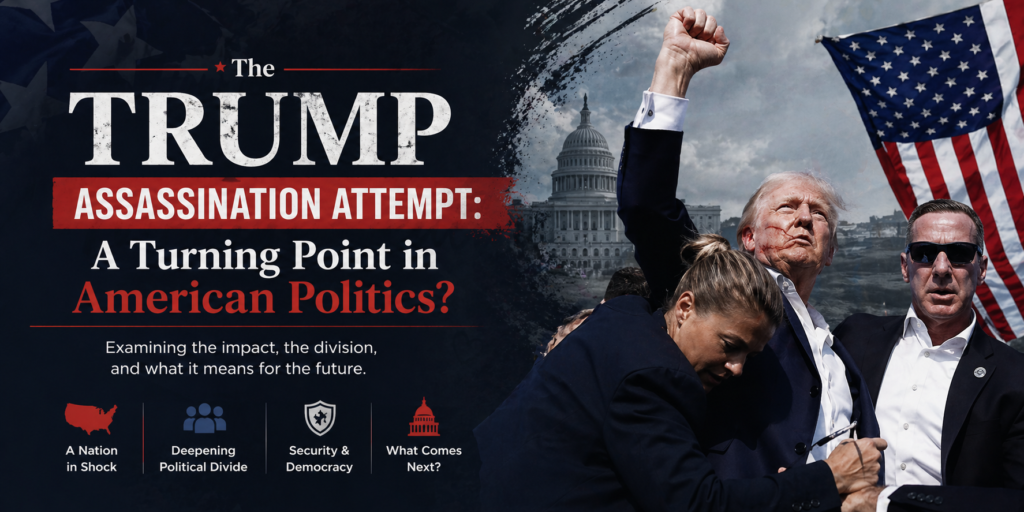
The reported assassination attempt involving Donald Trump has ignited widespread discussion across political institutions, media platforms, and the general public. Beyond the immediate concerns surrounding safety and security, the episode has prompted deeper analysis of political stability, protective measures, and the shifting dynamics of public discourse in the United States. As the situation continues to unfold, many analysts are questioning whether this event could mark a defining moment in modern American politics.
A Nation Grappling with Political Violence
While political violence has historical precedents in the United States, each occurrence leaves a significant and lasting impact. This incident has renewed anxieties about the safety of political leaders and highlighted the growing acceptance of hostile political language. Observers suggest that such developments may indicate an alarming shift in how political conflicts are communicated and, in extreme cases, acted upon.
The Influence of Political Polarization
A central issue linked to this event is the intensifying polarization within American society. In recent years, ideological divisions have widened considerably, often amplified by digital platforms and partisan media ecosystems. These conditions can foster isolated information bubbles, heightening emotional responses and, in some instances, encouraging radical behavior among fringe groups.
Questions Around Security Protocols
The situation has also placed a spotlight on the adequacy of security frameworks at political gatherings. Concerns have been raised regarding how such an incident could occur despite existing precautions. This scrutiny may lead to comprehensive reviews and the implementation of more stringent security measures for political figures and public events in the future.
Media Framing and Public Understanding
Media coverage plays a critical role in shaping public interpretation of such incidents. The tone and accuracy of reporting whether measured or sensationalized can significantly influence public sentiment. Responsible journalism, grounded in verified facts, is essential to limit misinformation and maintain public trust during sensitive moments.
Electoral Implications and Political Strategy
From a political standpoint, the incident could influence upcoming elections in multiple ways. It may reshape voter attitudes, alter campaign messaging, and prompt heightened security considerations for candidates. Events of this nature often redefine political narratives, potentially affecting public perception and electoral outcomes.
Psychological Impact on Leadership
Enduring or confronting such a high-risk situation can have considerable psychological effects, particularly for political leaders. These experiences may shape their decision-making processes, communication style, and public engagement. It also serves as a reminder of the personal risks associated with holding public office.
Public Response and Civic Engagement
Reactions among the public have varied widely, ranging from empathy and unity to doubt and political framing. This spectrum of responses highlights the critical role of civic awareness and responsibility. The way citizens interpret and respond to such incidents can either foster national cohesion or intensify existing divisions.
Historical Perspective and Patterns
Examining the incident within a broader historical framework allows for meaningful comparisons with previous attacks on political figures. Such events have historically influenced policy changes, security enhancements, and public awareness. Recognizing these trends can help determine whether the current situation represents a transformative moment.
Conclusion
The reported assassination attempt on Donald Trump may extend beyond an isolated security concern, reflecting deeper structural challenges within American politics. Issues such as increasing polarization, evolving security risks, and the tone of political discourse are all brought into sharper focus. Whether this event ultimately becomes a pivotal turning point will depend on the collective response of political leaders, institutions, and society at large.