
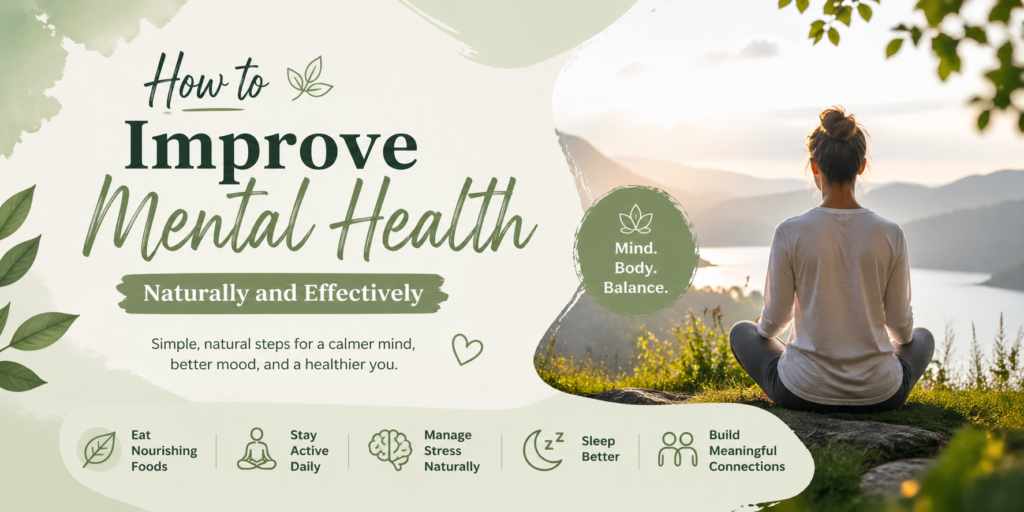
Mental health is an essential component of overall well-being, yet it is often neglected in today’s fast-paced and demanding lifestyle. Rising levels of stress, anxiety, and emotional exhaustion are now common across all age groups. The encouraging fact is that enhancing mental health does not always require complex treatments or medical intervention. In many cases, simple and natural lifestyle adjustments can significantly strengthen emotional resilience, improve mood stability, and support long-term psychological well-being. This guide highlights practical, sustainable strategies to help you better care for your mental health.
1. Prioritize Quality Sleep
Adequate sleep is fundamental for maintaining emotional balance and mental stability. Lack of proper rest can negatively affect mood, focus, and decision-making. A consistent sleep routine allows the brain to process emotions efficiently and recover from daily stress. Aim for 7–9 hours of uninterrupted sleep each night, and minimize screen exposure before bedtime to naturally enhance sleep quality.
2. Stay Physically Active
Regular physical activity is a highly effective and natural way to improve mental well-being. Exercise triggers the release of endorphins, often called feel-good hormones, which help reduce stress and elevate mood. Even simple activities, such as a daily 30-minute walk, can significantly ease anxiety. Practices like yoga, jogging, or cycling benefit both physical fitness and mental relaxation.
3. Practice Mindfulness and Meditation
Mindfulness encourages present-moment awareness, helping reduce overthinking and emotional overwhelm. Meditation supports mental relaxation by calming negative thought patterns and improving emotional regulation. Practicing mindfulness for just 10–15 minutes daily can enhance focus, clarity, and inner peace over time.
4. Maintain a Balanced and Nutritious Diet
Nutrition plays a direct role in brain function and emotional health. A well-balanced diet rich in fruits, vegetables, whole grains, nuts, and omega-3 fatty acids supports cognitive performance and mood stability. Reducing intake of processed foods, excessive sugar, and caffeine can help prevent fatigue and emotional fluctuations.
5. Build Strong and Supportive Relationships
Healthy social connections are vital for emotional well-being. Spending time with trusted friends and family members can reduce feelings of isolation and stress. Open communication about emotions fosters understanding and strengthens relationships, creating a positive support system that enhances mental health.
6. Limit Digital Exposure and Social Media Use
Excessive screen time and social media consumption can contribute to anxiety, comparison, and mental fatigue. Taking intentional digital breaks allows the mind to rest and refocus on real-life experiences. Establishing healthy boundaries with technology helps restore emotional balance and improve mental clarity.
7. Engage in Meaningful Hobbies and Creative Activities
Participating in enjoyable activities is an effective way to naturally support mental wellness. Hobbies such as painting, reading, gardening, or playing music provide emotional release and relaxation. Creative expression also helps reduce stress and encourages a sense of fulfillment and joy.
8. Practice Gratitude Regularly
Gratitude is a powerful mental habit that shifts focus toward positivity. Taking time each day to acknowledge positive aspects of life can reduce stress and enhance overall happiness. Writing down moments of gratitude helps train the mind to maintain an optimistic outlook.
9. Spend Time in Natural Environments
Exposure to nature has a deeply calming effect on the mind. Activities such as walking in green spaces, sitting in sunlight, or breathing fresh air can significantly reduce stress levels. Natural surroundings help improve mood, mental clarity, and emotional stability.
10. Seek Professional Support When Required
Natural methods are highly beneficial, but they should not replace professional care when needed. If feelings of anxiety, stress, or sadness become overwhelming, consulting a mental health professional is a proactive and healthy decision. Seeking help is a sign of strength and an important step toward recovery.
Conclusion
Improving mental health naturally is a gradual process that depends on consistent healthy habits and mindful living. Small daily practices such as proper sleep, physical activity, balanced nutrition, and emotional connection can collectively create a strong foundation for mental well-being. With patience and self-care, it is possible to achieve a more peaceful, stable, and fulfilling life.